
Fifty Years of Songs, and He’s Still Thanking Us
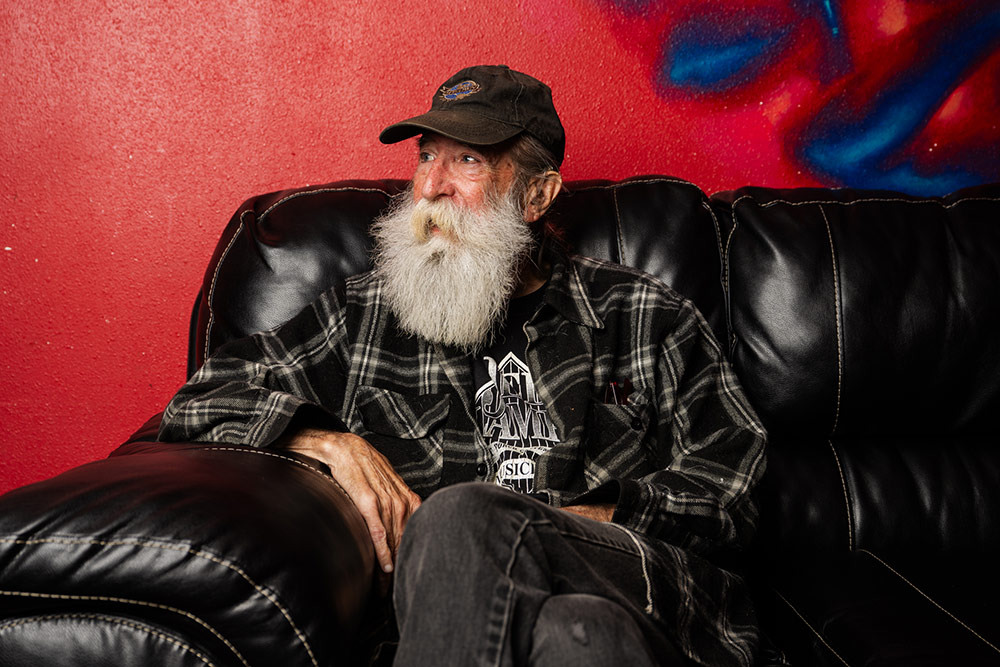
Northwest Arkansas has always had a way of holding onto its storytellers, not those who pass through like weather, but those who stay, take root, and slowly become woven into the rhythm of a place. Few have grown so deeply into that soil as Jed Clampit.
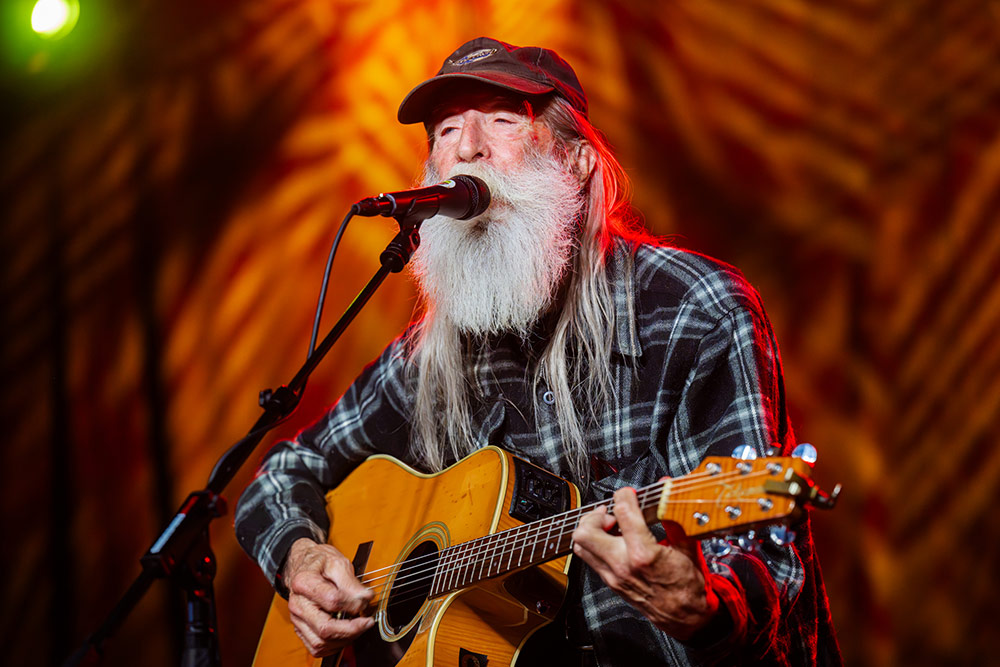
For more than five decades, Clampit has done something increasingly rare: he has made a life not just in music, but for it . He is, at his core, a troubadour, a man whose path was never uncertain, whose purpose was never negotiable. The music industry shifted and churned around him, trends rose and fell like tides, and still he moved through it all with the unhurried certainty of someone guided not by ambition or market winds, but by something older and quieter. Call it the muses. Call it calling. Whatever name you give it, it was always there, steady as a compass needle, pointing him back to the stage, back to the song, back to the people.
When he first stepped into the amber light of George’s Majestic Lounge in August of 1974, he was planting a seed. He couldn’t have known then just how far its branches would reach.
What makes Clampit’s story linger isn’t simply longevity. It’s the consistency of heart. He is the kind of artist who measures success not in ticket receipts or industry accolades, but in the fragile, fleeting moment of genuine connection. His goal was always to reach the soul. That philosophy lives in every note drawn from silence, in every room he fills the way a fireplace fills a cold house, and in every person who walks out into the night feeling, somehow, a little less alone.
His music, the work of a born raconteur, isn’t polished to a commercial shine or engineered for mass consumption. It is honest. It is human. It is music that pulls up a chair beside you and stays awhile. For generations of Arkansans, that invitation has been answered again and again, like a call and response that never quite ends.
He has been there for the moments that matter most. The weddings and the wakes, the celebrations and the quiet grief, the nights when people needed something to hold onto and found it in a song. He has stood on stages and in rooms that could charitably be called intimate and filled them with heart and light. There is no performance in it. There is only Jed, his guitar, and the unshakeable sense that this is exactly where he was made to be.
His daddy was a guitar picker. His mom was a poet. So perhaps it was written before he ever drew breath, this life of melody and language, of stories shaped into song.
He found his home in Fayetteville the way so many true homes are found: not by searching, but by stopping. On his way from New Mexico, a staff sergeant passing through, he stayed with a fry cook from The Restaurant on the Corner (ROTC for those that know) and something in this place held him. The Ozark light. The people. The way the hills seemed to lean in and listen. He never left. And before long, he sat down and wrote a letter home to his mother and father “Letter Home” trying to explain, in the only language that had ever made sense to him, why this red-dirt corner of Arkansas had quietly become his.
That song said everything. It always does with Jed.
But Clampit’s story carries a harder grace note too, a reminder that the artists who give us the most are often the ones who ask for the least. For years he lived the life of a true working musician: sometimes sustained by little more than a tip jar and conviction, always guided by faith, principle. He built a career the way rivers carve the bluff lines of Arkansas, not through force, but through patience, persistence, and the refusal to stop moving.
His first hit single climbed to number fourteen locally, thanks to KIX 104. The royalty check that followed? Thirteen dollars and some change. He tells that story with a grin that suggests he’d have done every bit of it for free.
Three continents. Twenty-two states. All of it rooted in this place, these people, this community that sent him out into the world and kept calling him home.
Now, as he faces health and financial challenges, the moment has come for that warmth to flow back his way.
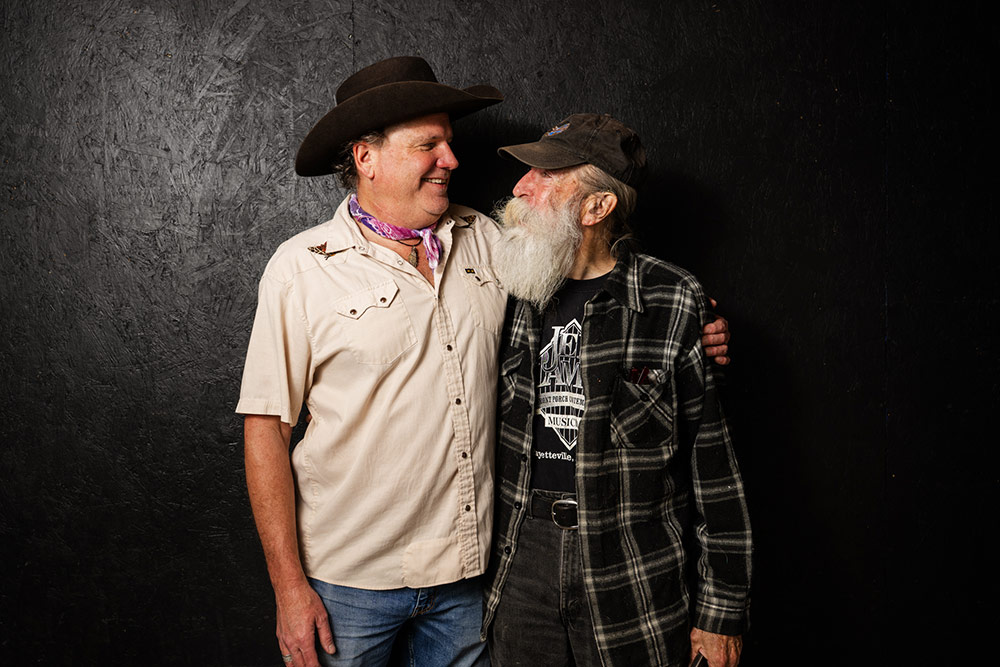
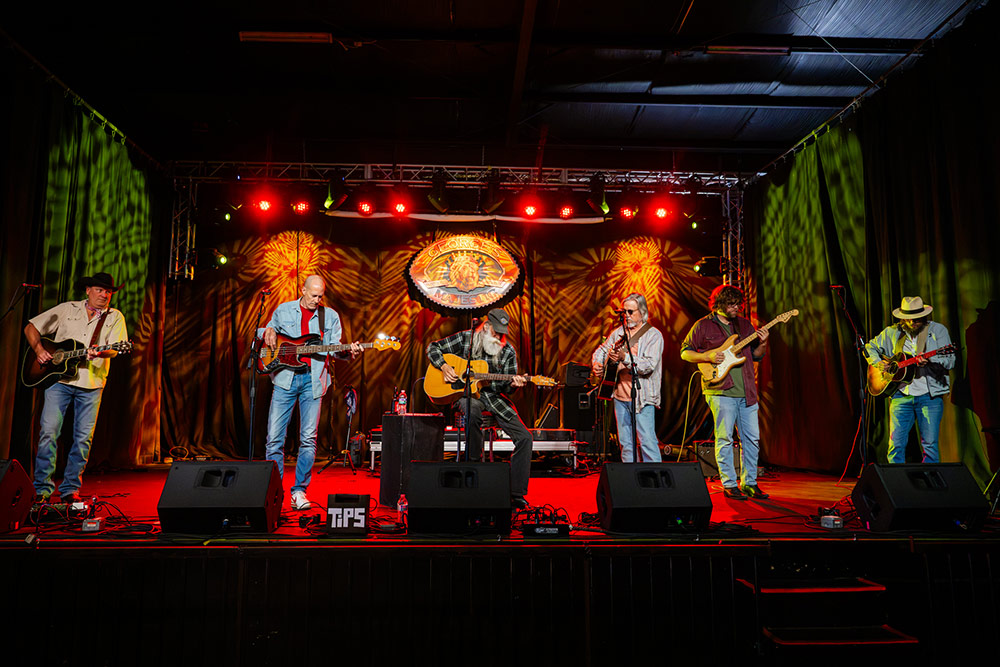
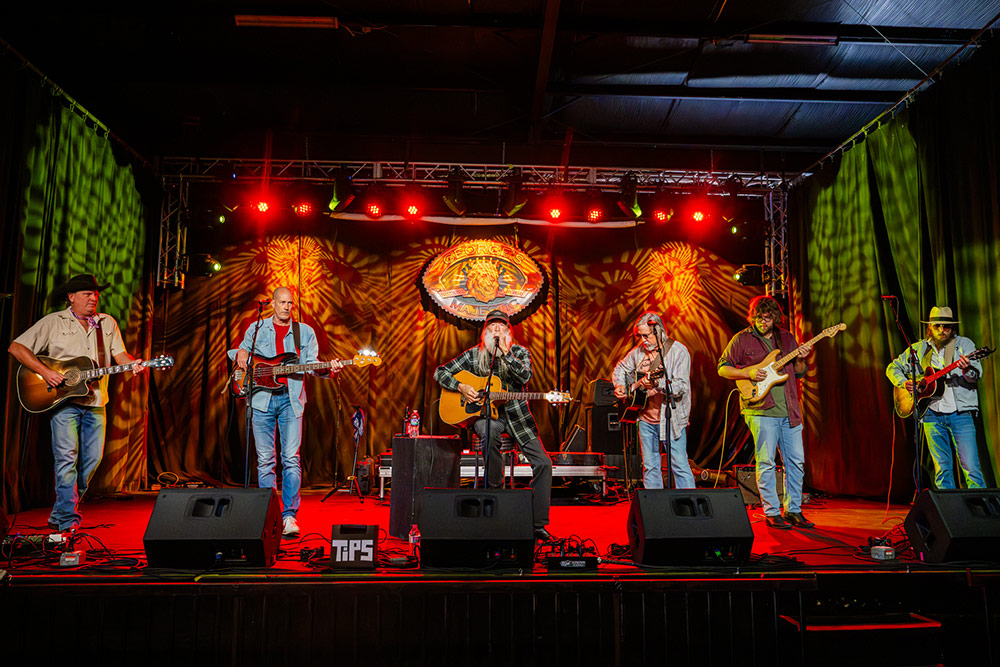
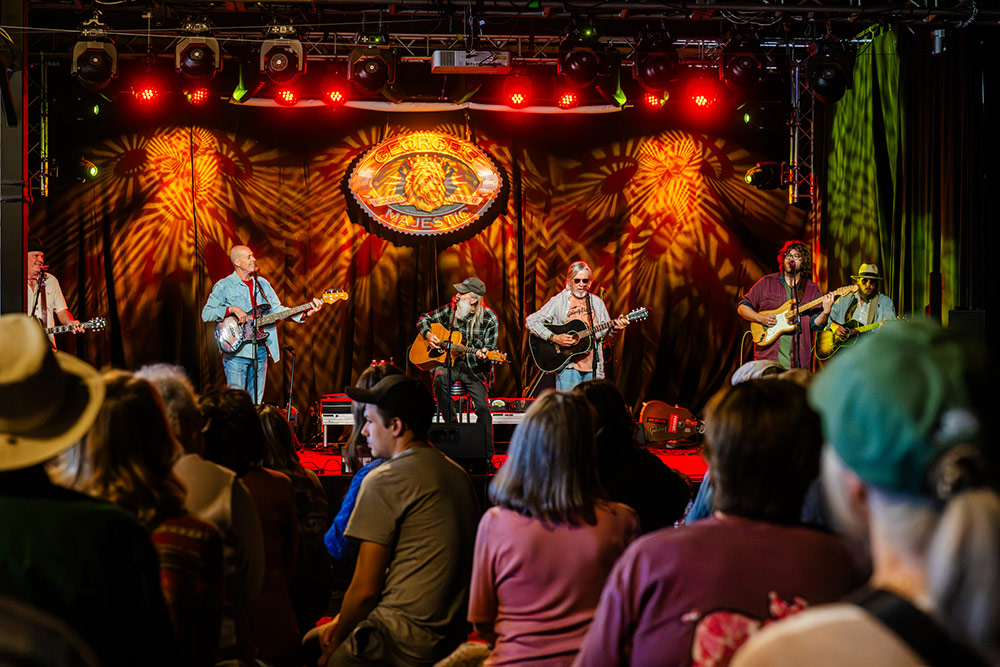
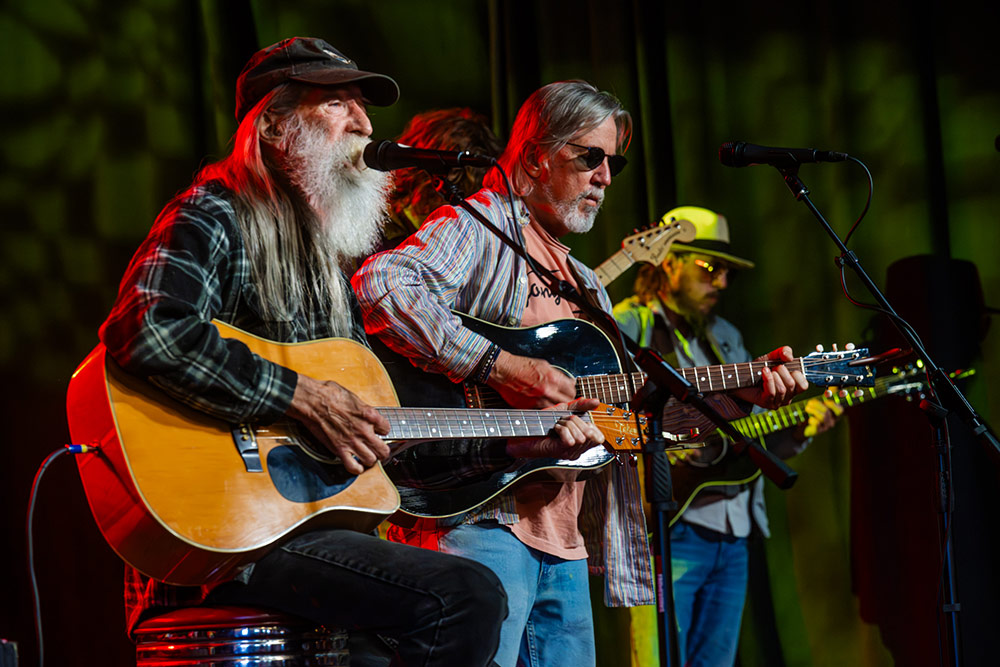
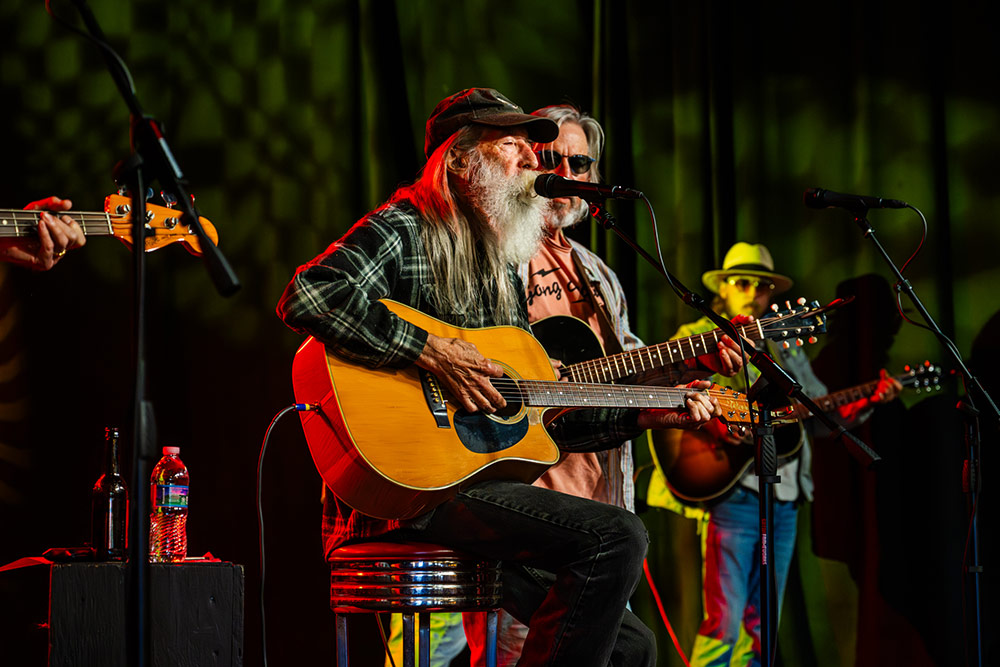
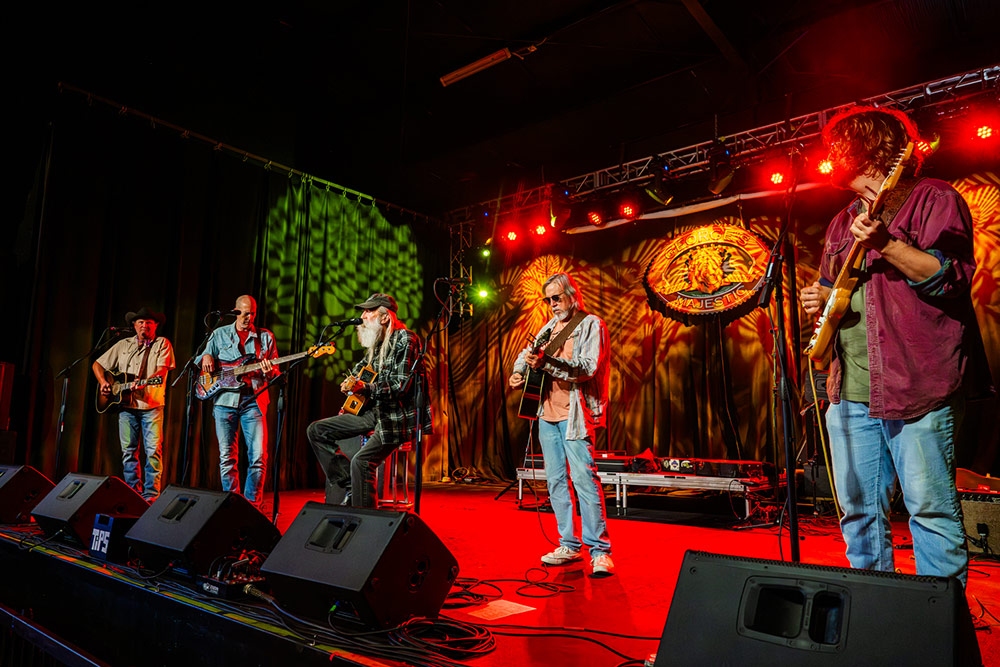
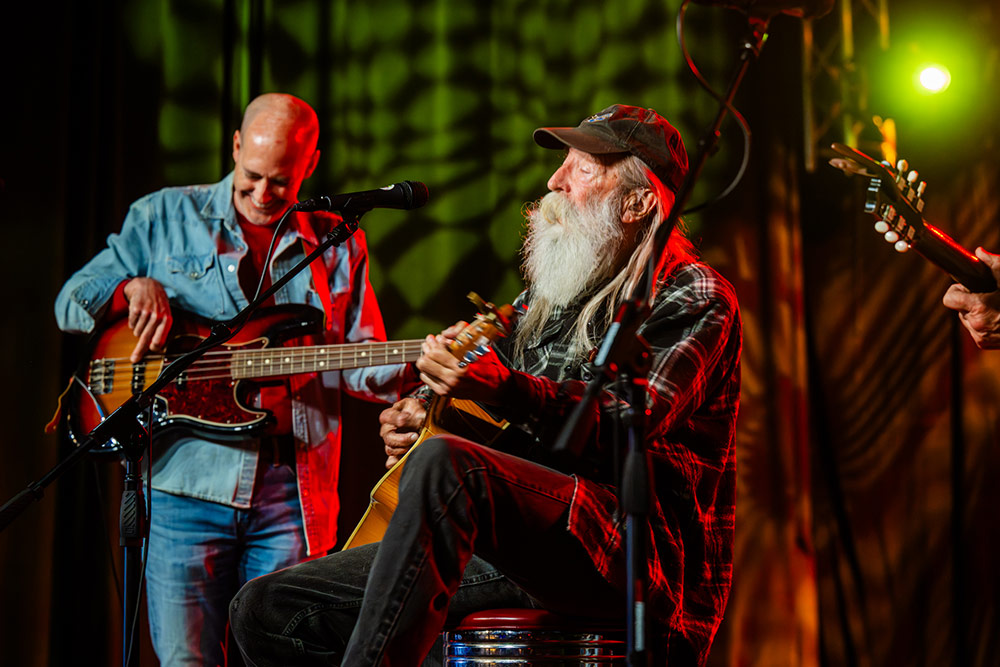
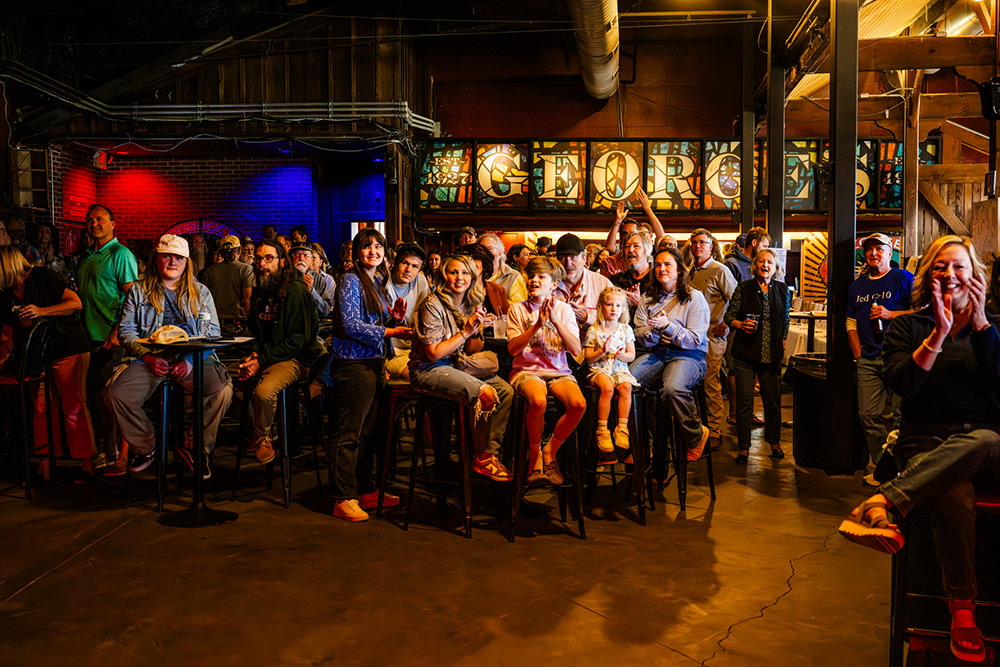
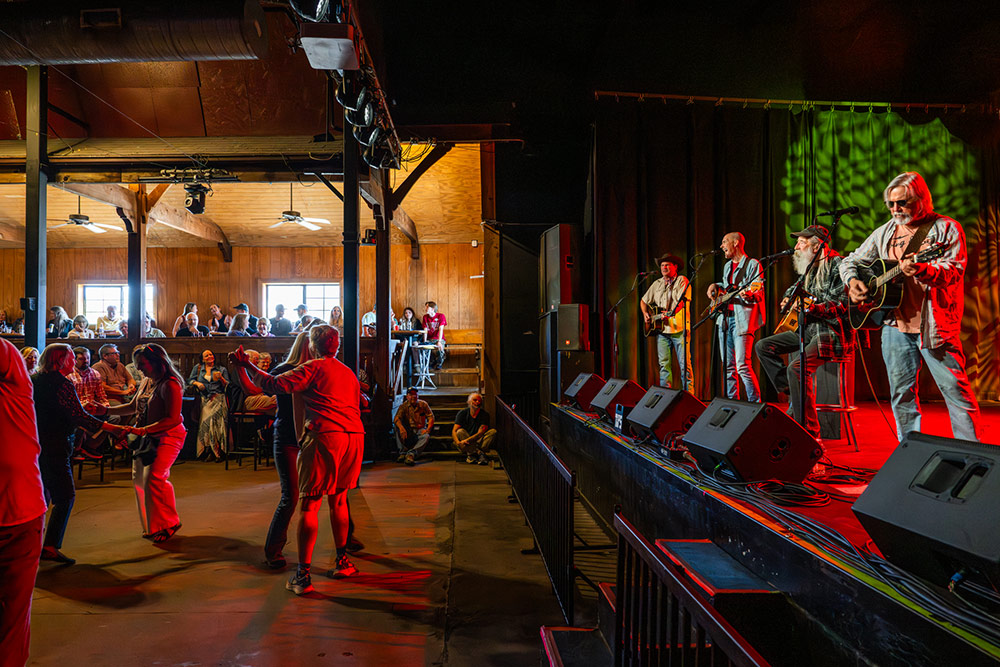
I watched the room fill. I have spent decades behind a camera documenting this scene, the stages, the crowds, the unguarded moments between songs, and I know what a full room looks like. But this was something more. These were not casual concertgoers. These were people who had been changed by this man, in ways small and enormous, on days they will never forget. People from the bar, restaurant, and music industry who had felt his kindness across the years. Editors, writers, friends. All of us gathered, quietly, to give something back.
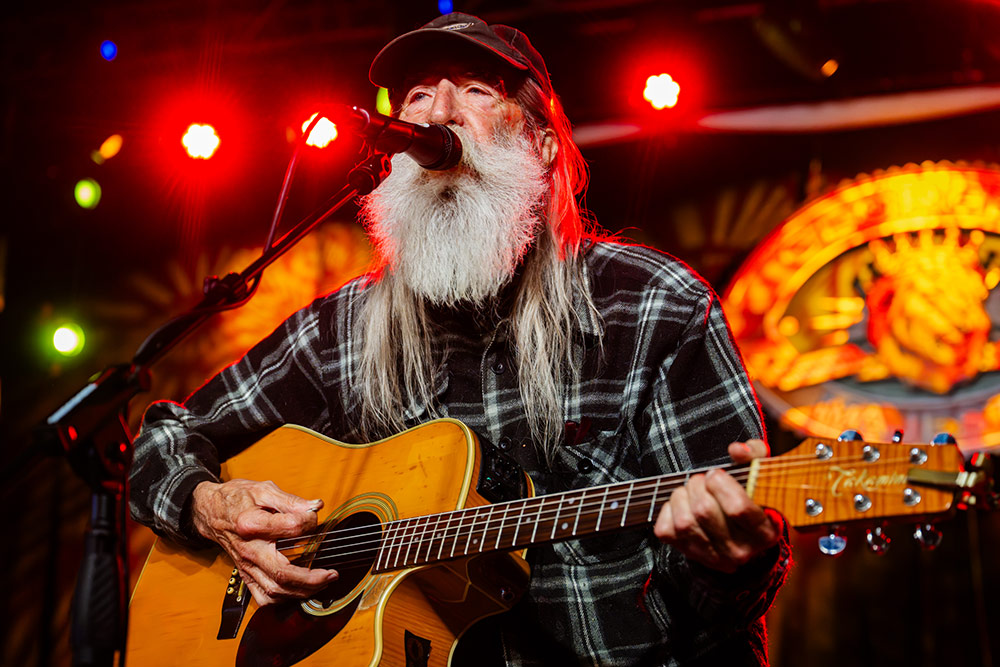
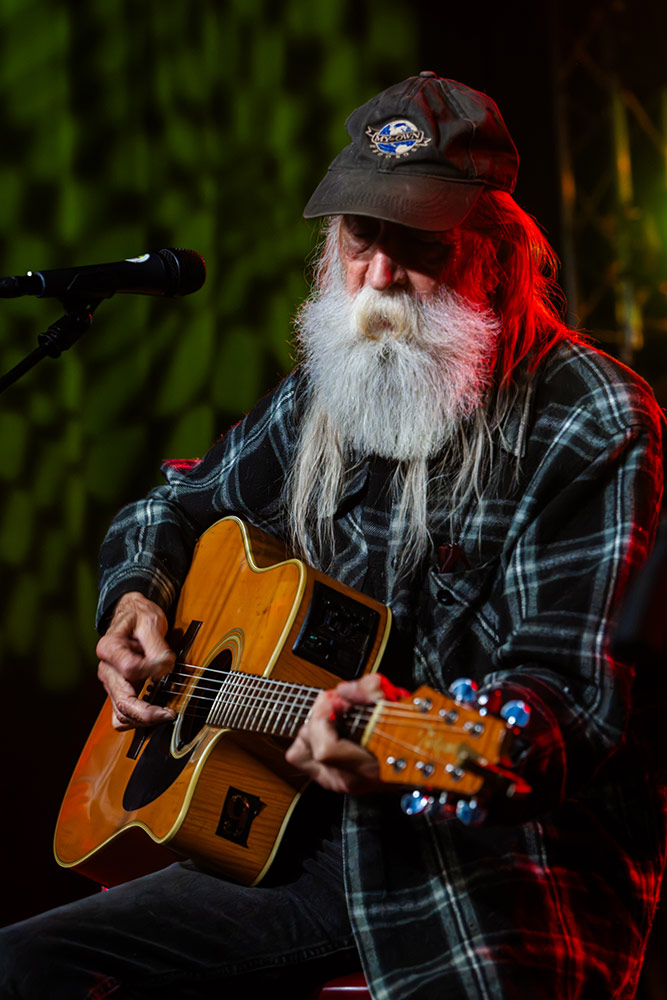
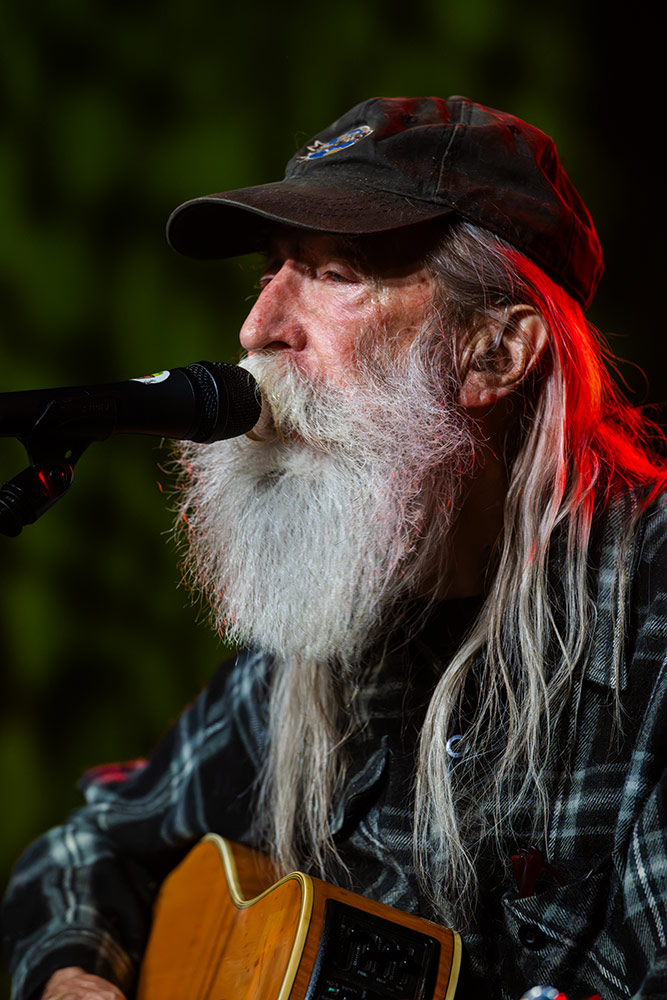
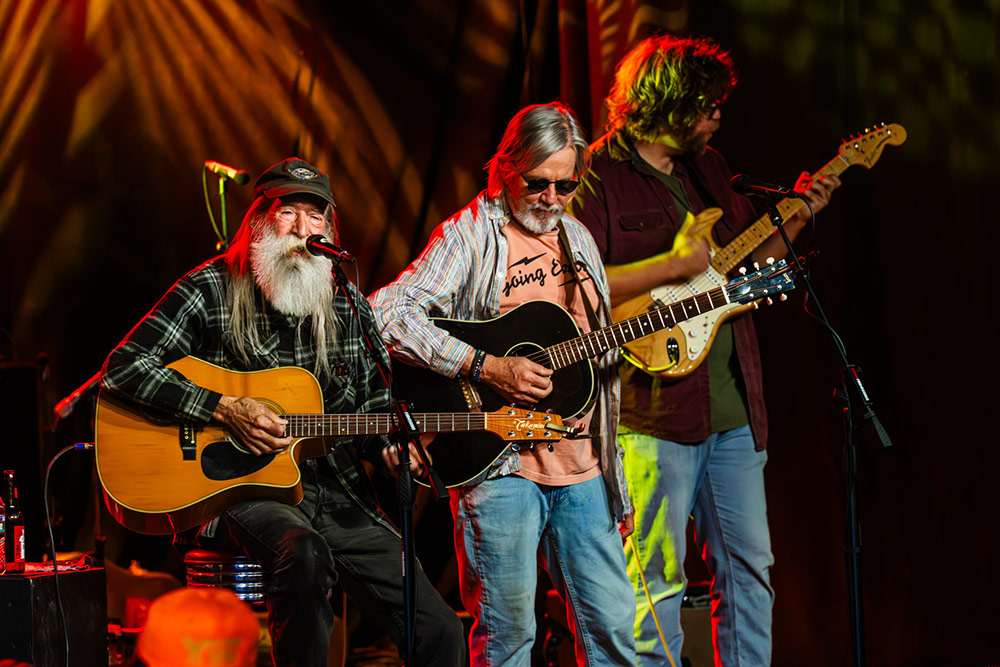
And there he was, on that stage, guitar in hand, more at home there than anywhere else in the world. You could see it in the way he settled into the song, the way his shoulders dropped and his eyes softened. This was not a man performing. This was a man being.
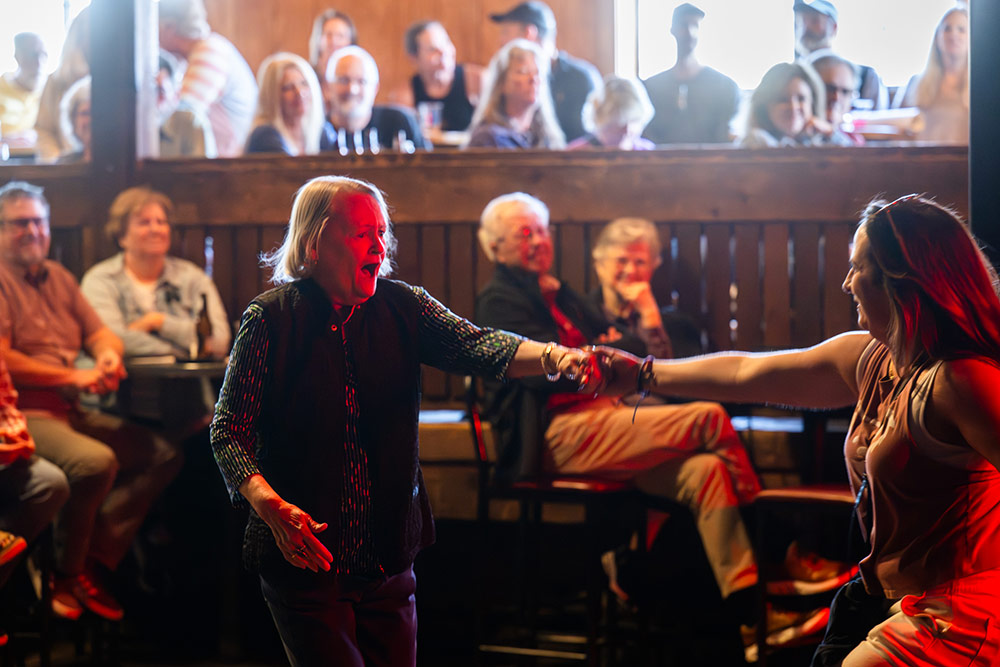
At one point he leaned into the mic with that warm smile and said what only a man fully at peace with himself could say: “There’s a guy down there in Texas, name is Willie Nelson , God bless Willie Nelson, he sounds just like me.” The room laughed and loved him all at once. Couples danced together on the floor.
Then, his voice filling with the kind of love that only comes from a life genuinely lived for others, he looked out at the room with the quiet awe of a man still amazed by his own journey. “I played on three continents from playing in Fayetteville. I have worked in 22 states, from New York to California, from playing in Fayetteville. You rock.” The room held that for a moment, the weight of it settling in.
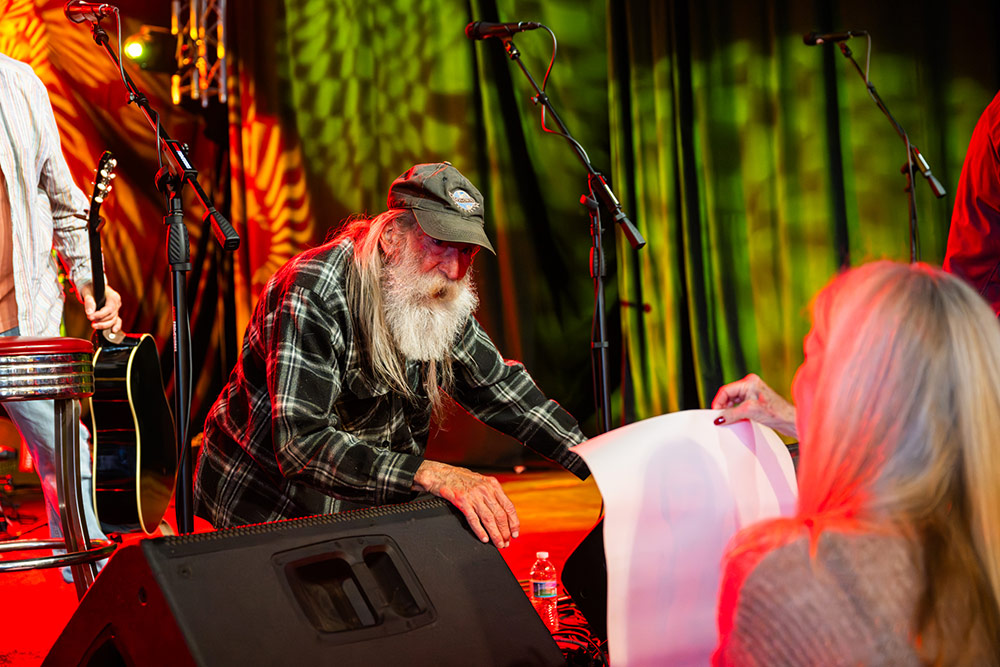
I noticed a small tear on his face as a local musician raised a glass in tribute. He felt it. We all did.
Near the end of the evening he paused, looked out over the room with the ease of a man who has always known exactly where he belongs, and said the kind of thing that sounds simple until it lands: “If we look out for each other, we are all good.” He wrapped it in a practical request, don’t let anyone drive home drunk tonight, but something larger moved underneath those words. It was a call to action. A creed. The same quiet gospel he has been living and playing and breathing for fifty years, distilled into a single sentence.
Look out for each other. Brothers and sisters, every one. If we do that, if we truly do that, we are all good.
We are the beneficiaries of song. That is what I kept thinking, watching him play. We are the lucky ones — the ones who got to be in the rooms, who got to have our hardest days made breathable, who found a familiar voice cut through the noise and find us, who discovered something like grace tucked inside a stranger’s melody.
What a gift. What an unearned, undeserved, extraordinary gift.
Supporting Jed now isn’t charity. It is reciprocity, the soft, beautiful kind that doesn’t make headlines but defines what it truly means to belong somewhere. A man who spent a lifetime pouring warmth into every room he entered is now being met with that same warmth turned back toward him. The symmetry of it is quietly stunning.
If you feel called, his GoFundMe is here: https://www.gofundme.com/f/support-jed-clampit-help-a-beloved-musician
Because legacies like his are never built alone. They are carried on the shoulders of the very communities they helped bring into being, passed forward, song by song, like a lantern held out in the dark.
The question was never what Jed Clampit has given us.
The question is what we choose to give back.
His daddy was a guitar picker. His mom was a poet. Somewhere between those two souls, a troubadour was born, and Northwest Arkansas was lucky enough to be the place he chose to call home.


Meredith Mashburn
Contributor
Meredith Mashburn is an acclaimed photographer based in Northwest Arkansas whose lens turns everyday moments into compelling visual stories. From her bio:
With over 25 years of experience in editorial, commercial, fashion, and lifestyle photography, Meredith brings an intuitive eye, vibrant creativity, and deep respect for her subjects to every project. Her work spans industry and emotion — from magazine editorials and brand campaigns to evocative portraits — always grounded in authenticity and connection. Meredith’s projects go beyond stunning imagery; they reflect her belief that photography can spark conversation, foster empathy, and elevate the human experience.


