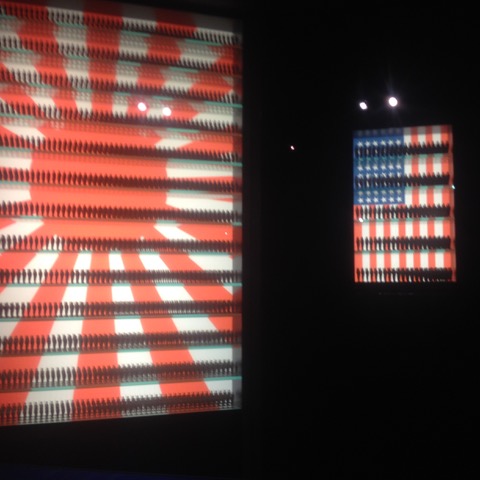
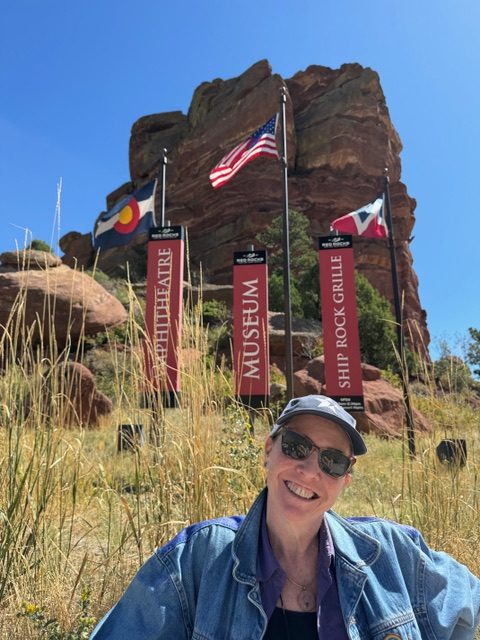
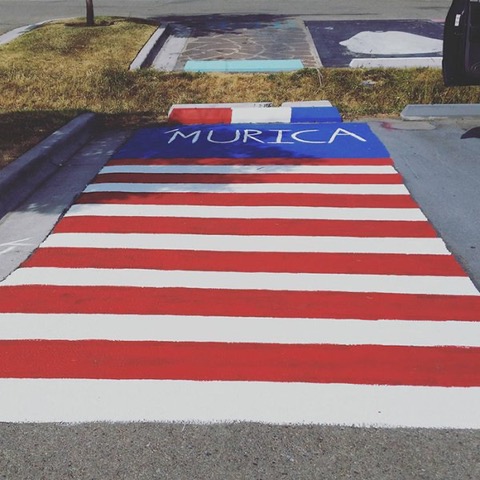
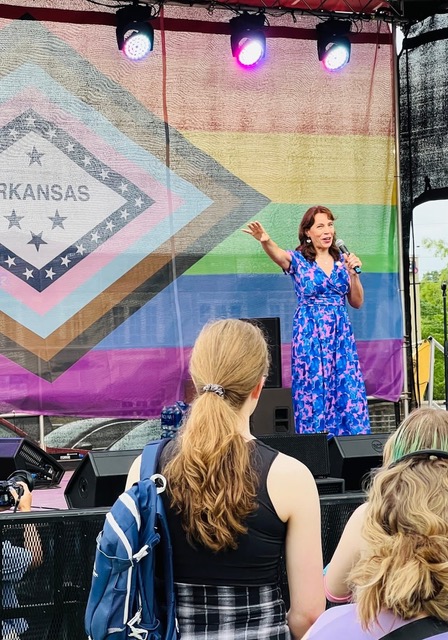
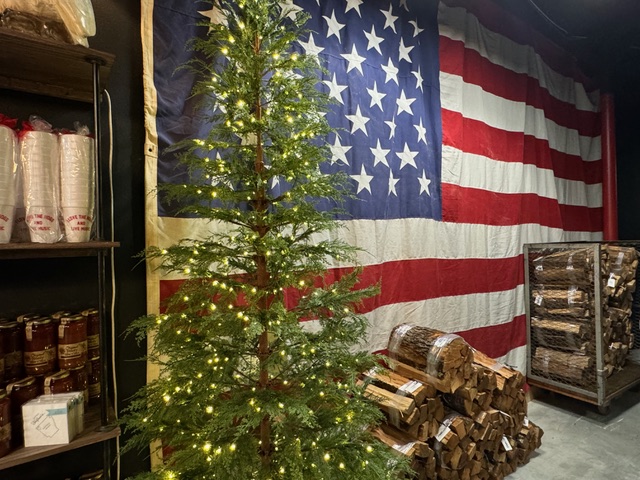
Growing up in America, patriotism was part of everyday life—woven into history lessons, school routines, and summer camp traditions. In both my home and business, the American flag stood as a powerful symbol of freedom.
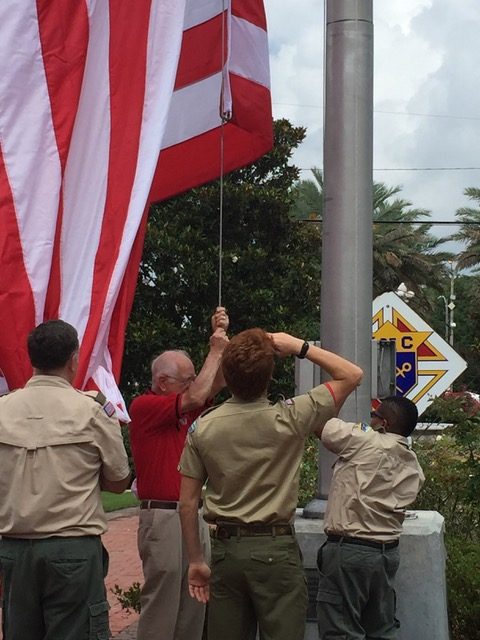
I remember raising the flag in elementary school, helping hoist it up the pole at camp, and carefully folding it at the end of the day. We wore the flag on T-shirts, saluted it during parades, and sang about it with hand over heart. These rituals—once simple and routine—have grown in meaning as I’ve grown older.
When my children learned the Preamble to the Constitution, I joined them—revisiting those words and what they stand for. And still today, when I see the flag waving, hear a patriotic song, or witness someone pause in reverence, I feel a rush of emotion. I think of the soldiers, the civil servants, the quiet heroes who’ve made sacrifices so that we can live freely—so we can simply be.
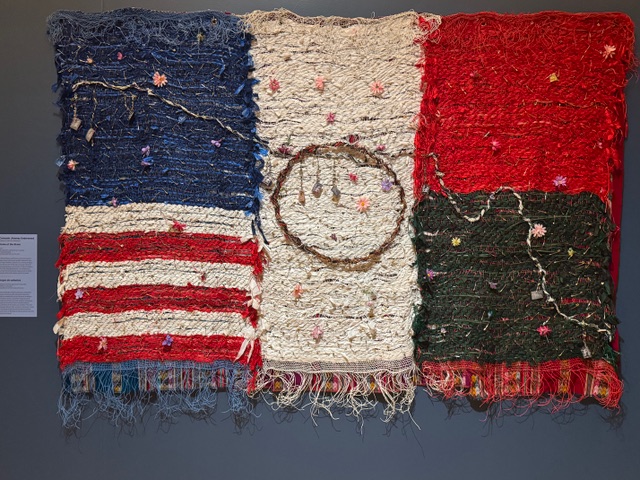
But over the years, I’ve noticed that the way we fly flags has shifted. Flags now carry a broader range of meanings—national, personal, political, and cultural. And I’ve felt my own emotions around them shift, too. Sometimes it’s pride, sometimes it’s pause, sometimes it’s reflection. But always—always—there’s gratitude.
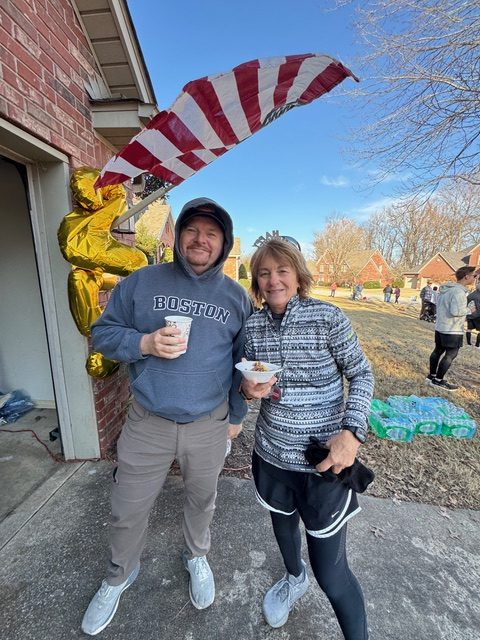
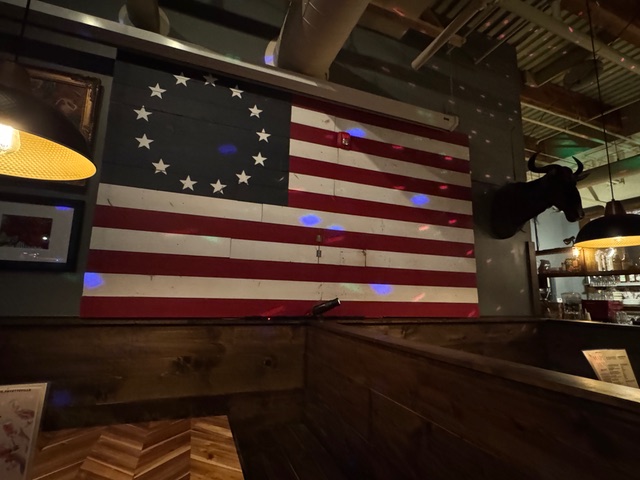
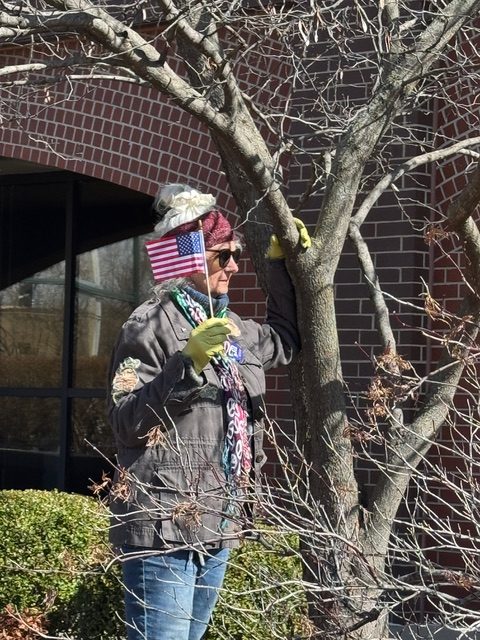
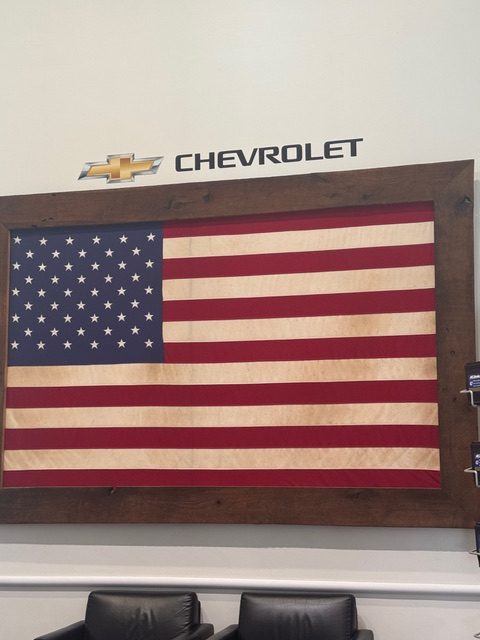
I’m thankful for the wide array of flags I’ve seen flown across this country: from small towns to big cities, from backyards to buildings, from rallies to celebrations. Each one telling a story. Each one reminding me that freedom means something different to each of us—and that honoring our country includes honoring that diversity.