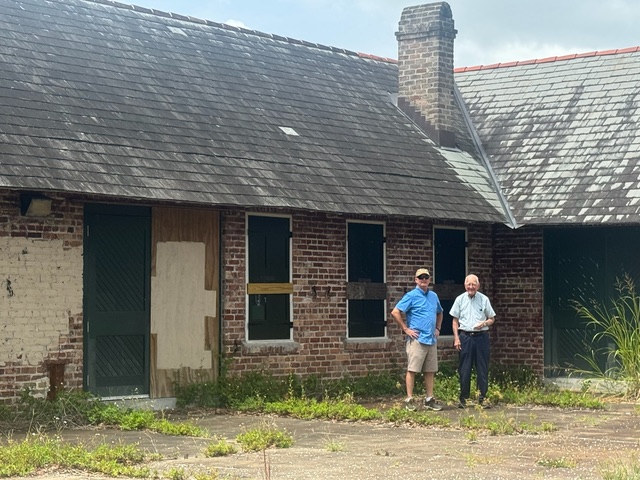
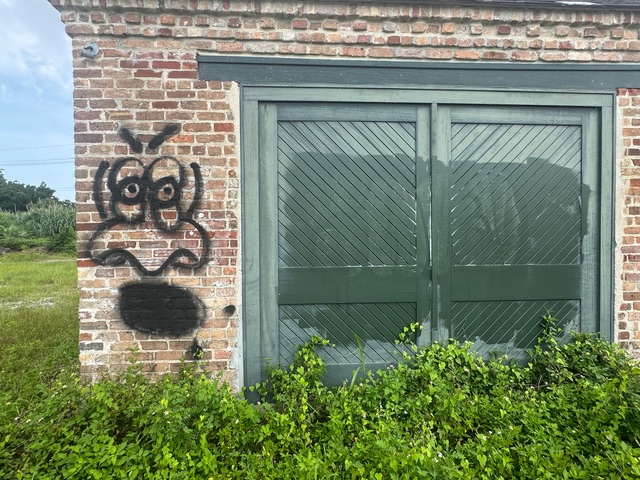
In the heart of New Orleans City Park, tucked beneath the canopy of live oaks and surrounded by lush green space, stands a quiet brick structure with stories to tell. Once used for animals and park maintenance, the old mule barn now sits at the center of a thoughtful effort to preserve history while planning for the future.
The slate roof still holds strong. The brick walls, wooden stalls, and arched doors remain a testament to quality craftsmanship. Though weathered and overgrown, this building is not forgotten. Plans are underway to breathe new life into the space—possibly transforming it into a community venue or office while keeping its original character intact. This is the kind of restoration that respects the past while welcoming what’s to come.
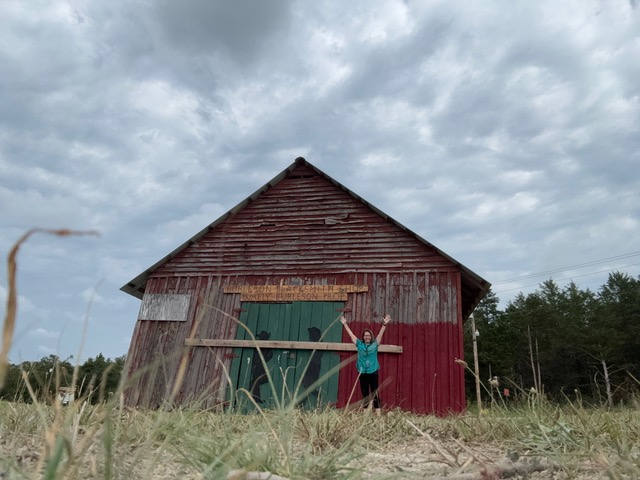
And while this barn sits in Louisiana, the spirit of the project resonates deeply with those of us in Arkansas, where preservation is more than a passing interest—it’s a way of life.
From Eureka Springs to Fayetteville, Roger
It’s no surprise that Arkansas travelers who explore New Orleans often find inspiration in these overlapping values: tradition, preservation, community. Both regions understand that restoring a building isn’t just about bricks and boards—it’s about honoring roots and enriching the present.
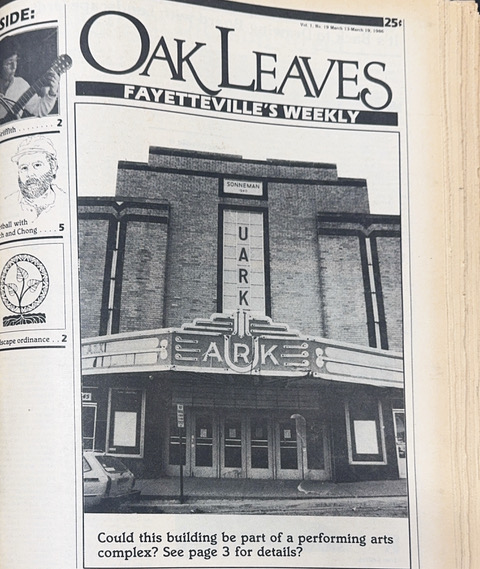
Whether you’re strolling the shaded sidewalks of downtown Fayetteville or exploring the paths of City Park in New Orleans, there’s a comfort in seeing places that have endured. These spaces are full of character, charm, and memories—and they remind us of the importance of keeping history alive through action, restoration, and reuse.
So next time you’re in New Orleans, take a walk through City Park. Look beyond the familiar attractions and take notice of the quiet corners—like the old mule barn—that are being preserved with care and intention.
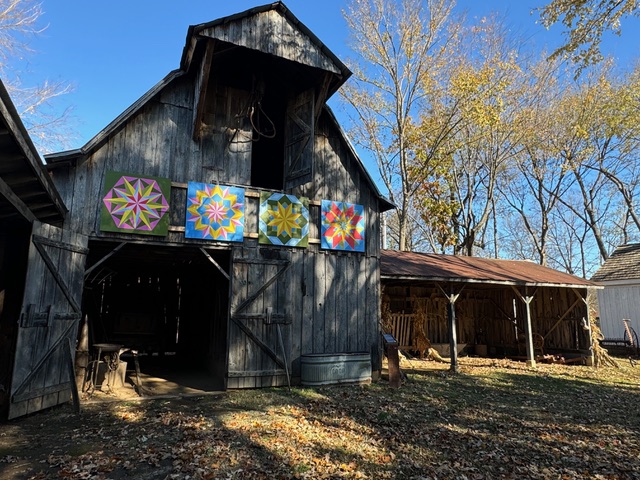
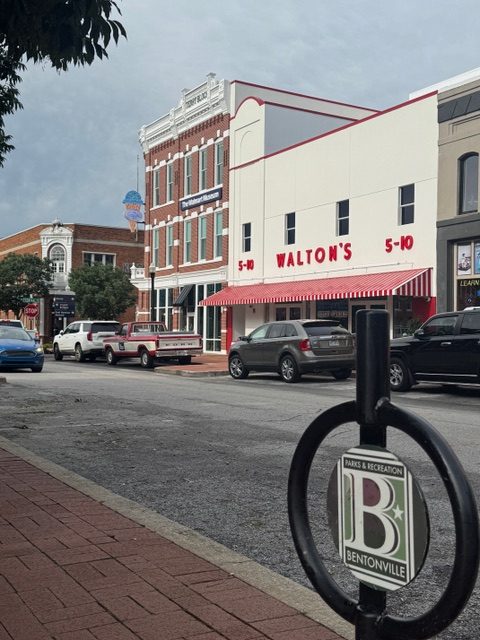
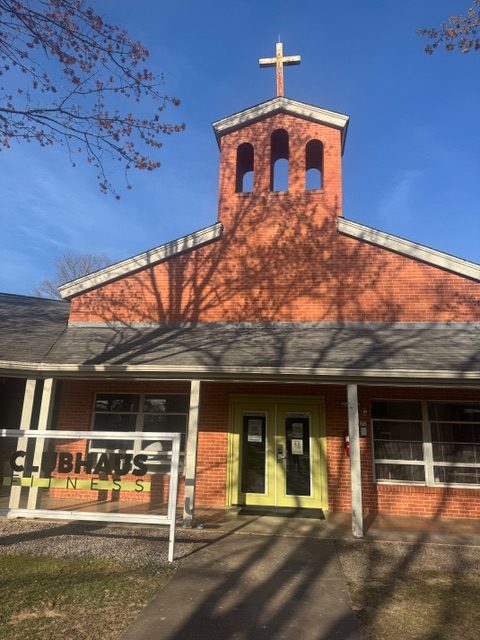
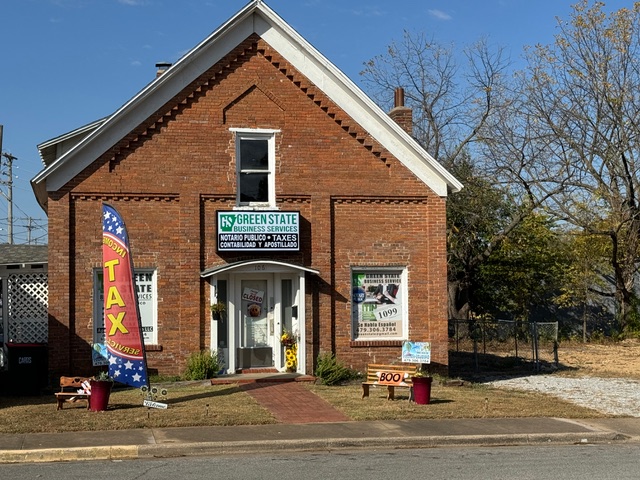
And when you’re home in Arkansas, take pride in the many projects that honor our past—from state parks to Main Street buildings to historic homes. Whether national, city, or state—parks and preservation projects provide places for community connection, reflection, and celebration.
Because when we preserve these spaces, we’re not just saving buildings.
We’re saving stories.